

 Facebook
 X
X
 Pinterest
 Copy Link
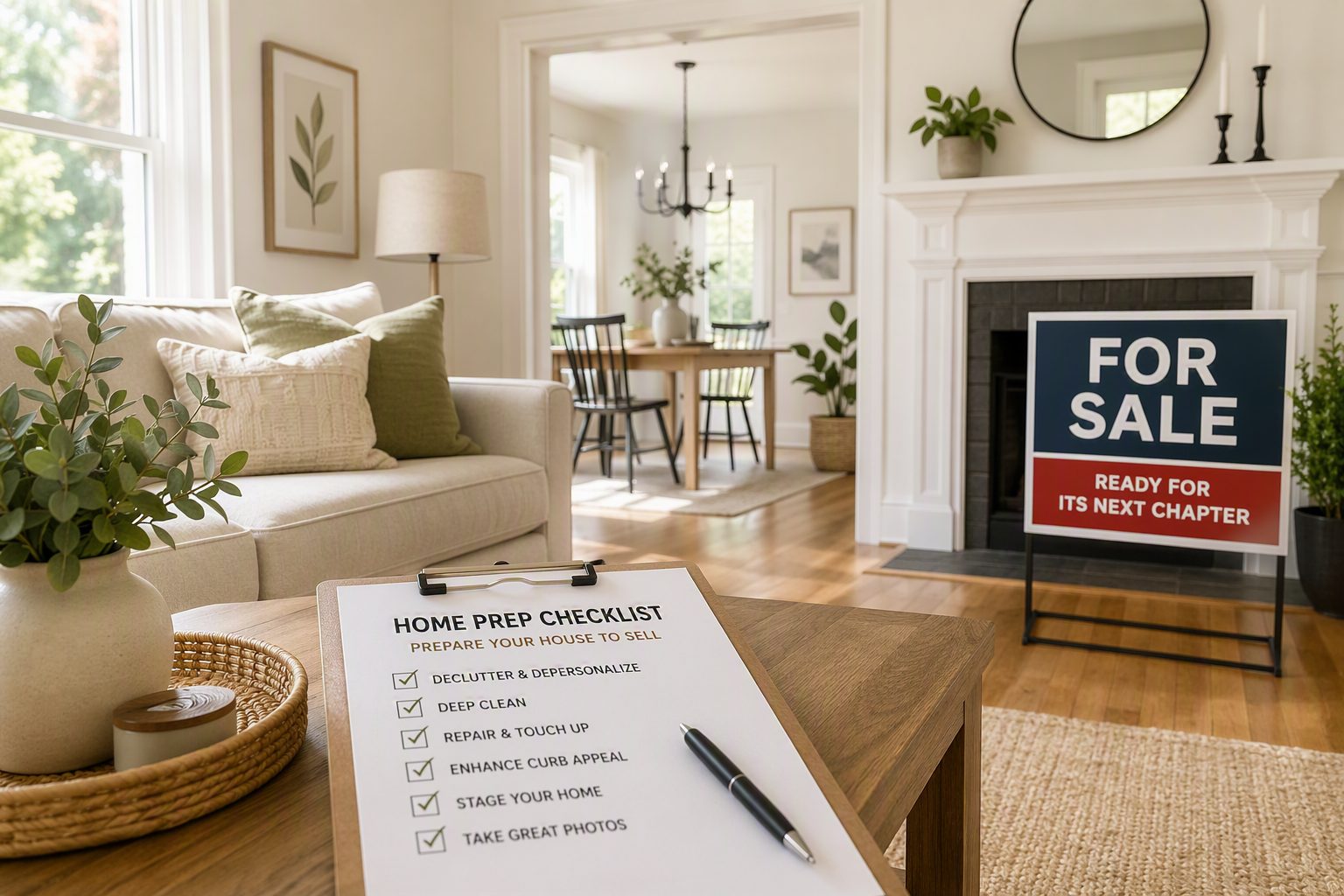 The first few minutes of a showing matter more than most sellers expect. Buyers are forming opinions before they reach the front door, and once they step inside, they are quietly asking themselves one question: can I see my life here? If you want to prepare your house to sell, the goal is not to make it look perfect. The goal is to make it feel clean, cared for, and easy to picture as someone else’s next home.
That distinction matters. Many homeowners assume getting ready to sell means taking on expensive renovations or trying to copy a magazine-worthy look. In reality, the smartest preparation is usually more practical than flashy. A well-prepared home tends to photograph better, show better, and create fewer objections once buyers start comparing options.
What buyers notice first when you prepare your house to sell
Buyers usually do not walk through a home like inspectors on their first pass. They react emotionally first, then logically. That means obvious clutter, strong odors, poor lighting, scuffed walls, and deferred maintenance can shape their opinion before they ever think about square footage or lot size.
This is why preparation should start with the basics. Cleanliness, condition, and presentation carry a lot of weight. A buyer may forgive outdated finishes more easily than they forgive a house that feels neglected. Even in a competitive market, the homes that stand out tend to be the ones that feel move-in ready, or at least well maintained.
In Northern Kentucky and the Cincinnati Tri-State area, buyers are often balancing work, school schedules, and the logistics of a move. Many are not looking for extra projects right away. The easier your home feels to take on, the broader your buyer pool may be.
Start with repairs before cosmetic updates
When sellers have a limited budget, I usually suggest handling the small issues that signal neglect before spending money on trend-based upgrades. A dripping faucet, loose doorknob, cracked outlet cover, squeaky door, torn screen, or missing trim piece may seem minor on its own. Together, those details can make buyers wonder what bigger maintenance items have been ignored.
Focus first on anything that affects function, safety, or first impressions. Patch drywall. Replace burned-out bulbs. Fix leaky plumbing. Make sure doors open and latch properly. If the HVAC has not been serviced in a while, that is worth addressing. If there are roof concerns, foundation cracks, or water stains, those need honest attention, not staging tricks.
Cosmetic updates can help, but they should be chosen carefully. Fresh neutral paint often gives a stronger return than replacing countertops just because they are not the latest style. New carpet may make sense if the existing flooring is badly worn or heavily stained, but full-scale remodeling is not always the best use of time or money before listing. It depends on your price point, neighborhood expectations, and how your home compares with nearby competition.
Decluttering is about space, not perfection
One of the most effective ways to prepare your house to sell is also one of the least glamorous: remove more than you think you need to. Buyers want to see space, storage, and flow. That is hard to do when countertops are crowded, closets are stuffed, and every wall is filled with furniture or decor.
Decluttering does not mean stripping your home of personality. It means editing. Kitchen counters should have only a few simple items. Bathroom counters should look open and clean. Closets should be organized enough to show usable storage rather than overflow. If a room has too much furniture, take some out. Homes often feel larger when there is less in them.
This step is especially important if you are still living in the home while it is on the market. Packing early is not just helpful for the eventual move. It is also part of preparing the house for buyers. Think of it as getting a head start on both showing well and making your next chapter easier.
Clean like buyers will look everywhere
A standard weekly cleaning is not the same as pre-listing cleaning. Before photos or showings, the house should be cleaned to a higher level of detail. Buyers notice baseboards, window tracks, ceiling fans, appliance fronts, shower grout, and fingerprints around doors and light switches.
If deep cleaning feels overwhelming, this is one area where hiring help can be worth it. Professional photos capture dust, smudges, and dull surfaces more clearly than people expect. Clean windows bring in more natural light. Polished floors and spotless kitchens suggest care. That sense of care builds buyer confidence.
Do not forget odor control. Sellers often become nose-blind to pet smells, cooking odors, or dampness. Avoid trying to cover them with heavy fragrances. Clean the source instead. Fresh air, clean fabrics, and neutral-smelling spaces usually work better than candles or sprays.
Curb appeal sets the tone
The outside of the home starts the showing before the showing begins. If buyers pull up and see overgrown landscaping, peeling paint, or a cluttered porch, they carry that impression inside.
Curb appeal does not have to be complicated. Mow the lawn, trim shrubs, edge the walkway, and remove dead plants. Sweep the porch. Clean the front door and add a fresh mat if needed. If your house numbers, mailbox, or exterior light fixture look worn, replacing them can give the entry a quick lift.
Season matters here. In spring and summer, simple flowers and mulch can help. In fall, keep leaves cleared and entryways tidy. In winter, make sure walkways are safe, and the home feels cared for despite the weather. Buyers understand the season, but they still respond to presentation.
Make each room clear and purposeful
Buyers should not have to guess how a room is meant to function. If a bedroom has become a storage room or a dining room is doubling as a home gym, it may be worth resetting those spaces before listing. Clear room identity helps buyers understand the home’s layout and potential.
You do not need professional staging in every case, but thoughtful arrangement matters. Pull furniture away from walls when it improves flow. Use lighting to brighten darker corners. Keep bedding simple and fresh. In living areas, create inviting conversation spaces rather than blocking pathways.
Personal items deserve special attention. Family photos, highly specific collections, and bold statement pieces can make it harder for buyers to picture themselves in the home. The house should still feel warm, just less tied to one household.
Pricing and preparation work together
Even the best preparation cannot completely overcome poor pricing. A beautifully cleaned and staged home that is overpriced may still sit longer than expected. On the other hand, a well-priced home in solid condition can attract stronger interest quickly.
That is why preparation should not happen in isolation. Before deciding what to fix, update, or leave alone, it helps to understand where your home is likely to fit in the current market. A local strategy matters because buyer expectations vary by neighborhood, price range, and inventory levels.
This is where working with an experienced local agent (http://www.sibcycline.com/kfreudenberg/) can save sellers from spending money in the wrong places. Sometimes the right move is a fresh coat of paint and a deep clean. Sometimes a few targeted updates can meaningfully improve value. Sometimes honesty about condition, paired with the right price, is the strongest strategy of all. If you are selling in Northern Kentucky, an agent with local market insight (http://www.sibcycline.com/kfreudenberg/listings/my-active-listings), like Sibcy Cline Realtors, can help you make those calls with more confidence.
Prepare for photos, showings, and real life
A house can be market-ready on paper and still be difficult to show if daily life is not part of the plan. This is especially true for families with children, pets, or busy work schedules. The goal is not perfection every minute of every day. The goal is to create a repeatable system that keeps the home ready with reasonable effort.
Laundry baskets, pet supplies, toys, and countertop paperwork should have quick put-away spots. Beds should be easy to make. Trash should go out regularly. If you know mornings are hectic, plan for evening showings when possible. If you have pets, think through where they will go during appointments.
The easier it is to keep the house consistently ready, the less stressful the listing period tends to feel. That matters because buyers often want to see homes on short notice, and flexibility can lead to more opportunities.
The best preparation is strategic, not excessive
Sellers sometimes worry that if they do not update everything, buyers will not respond. Most of the time, that is not true. Buyers are looking for value, condition, and a home that feels well cared for. They are not expecting every house to be brand new.
What they do notice is when a seller has been thoughtful. Clean spaces. Completed repairs. Good light. Simple staging. Strong photos. A realistic price. Those pieces work together.
If you are getting ready to sell, start earlier than you think you need to. Give yourself time to sort, repair, clean, and ask questions about what is really worth doing. A calm, well-prepared approach usually beats a rushed one. And when your home hits the market looking its best, you are not just listing a property – you are giving buyers a reason to feel at home the moment they walk in.
Reach out today. Your Home is My Purpose. Guiding You Like Family. Advising You Like a Professional.


