

 Facebook
 X
X
 Pinterest
 Copy Link
The Northern Kentucky real estate market update most homeowners and buyers need is not a simple “hot” or “slow” label. Conditions can look very different from one neighborhood, price range, and property type to the next. A well-kept home in a convenient location may still attract strong interest, while a home that is overpriced or needs significant updates can sit longer than a seller expects.
For people planning a move in Boone, Campbell, or Kenton County, that is actually encouraging news. The market is not one-size-fits-all, which means a thoughtful strategy can make a meaningful difference. Whether you are buying your first home, selling a longtime family home, or coordinating both at once, the best decisions start with a clear look at what is happening in your specific corner of Northern Kentucky.

Northern Kentucky Real Estate Market Update: What Matters Most
Headlines tend to focus on mortgage rates, home prices, or the number of homes for sale. Those factors matter, but they do not tell the whole story. Real estate is local, and Northern Kentucky has a wide mix of communities, housing styles, commute patterns, school preferences, and buyer priorities.
A buyer searching for a starter home in Florence may face a different set of choices than a family looking for more space in Union, a buyer wanting the character of Covington, or someone hoping to be close to the riverfront and Cincinnati. Even within the same community, a move-in-ready home and a home that needs cosmetic work may generate very different levels of demand.
The practical takeaway is simple: do not base your plan solely on a national headline or a neighbor’s recent sale. Your home’s value and your buying opportunities depend on location, condition, price point, and the positioning of competing properties when you enter the market.
For Sellers: Preparation Still Has a Payoff
Buyers are paying attention to value. They may be more selective than they were during the most frenzied periods of the market, but they are still motivated by homes that feel cared for, are priced realistically, and make a strong first impression.
That does not mean every seller needs to complete a major renovation before listing. In many cases, the most effective improvements are practical: decluttering, addressing deferred maintenance, freshening paint where needed, improving lighting, and making the exterior feel welcoming. The right recommendations depend on the home and the likely buyer, not on a generic checklist.
Pricing deserves the same level of care. A high list price can be tempting, especially when a homeowner has seen nearby properties sell for strong numbers. But the best comparable sales are not simply the closest homes. They are the homes that most closely match yours in age, condition, square footage, features, location, and timing.
A strategic price creates room for buyer interest. An overly ambitious price can cause a listing to lose momentum in its first weeks, when it receives the most attention. Reducing the price later can still work, but it is usually better to enter the market with a clear understanding of what buyers are likely to see and compare.
The First Week Sets the Tone
Marketing matters, but it works best when it supports a home that is properly prepared and priced. Professional presentation, clear property details, thoughtful staging guidance, and a plan for showings all help buyers picture themselves living there.
Sellers also need to think ahead about their next move. If you must purchase another home before selling, your timeline, financing options, and level of flexibility should be part of the listing conversation from the start. A personalized plan can help reduce the pressure of trying to solve every decision after an offer arrives.
For Buyers: Opportunity Is More Than the Number of Listings
More choice can be helpful, but it does not automatically make the buying process easy. Buyers still need to recognize a good fit, understand the total cost of ownership, and move confidently when the right home appears.
Before touring homes, it helps to separate wants from true needs. Location, commute, number of bedrooms, accessibility, yard size, and monthly payment are often the non-negotiables. A particular paint color, countertop material, or light fixture may be easier to change after closing. Knowing the difference keeps a search focused and prevents good options from being dismissed too quickly.
Pre-approval remains an essential early step. It gives you a realistic price range and helps you understand how the payment may change based on taxes, insurance, interest rates, and loan type. More importantly, it allows you to write an offer with confidence rather than trying to arrange financing after finding a home you love.
A strong offer is not always the highest offer. Terms can matter to a seller, including the closing timeline, financing strength, inspection approach, and flexibility around possession. Buyers should never give up protections they need simply to compete, but understanding which terms matter most in a particular situation can help create an offer that is both smart and appealing.
Do Not Let Rate Conversations Freeze Your Plans
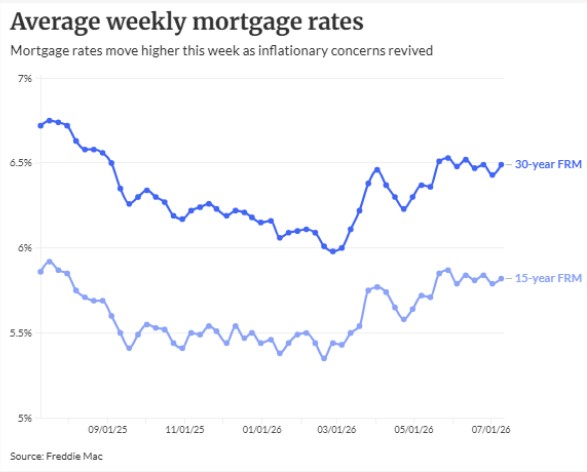
Mortgage rates affect affordability, and buyers are right to pay close attention to them. At the same time, waiting for a perfect rate can be risky if it keeps you from pursuing a move that makes sense for your family, work, or financial goals.
It depends on your time horizon. If you plan to stay in a home for many years, finding the right property in the right neighborhood may matter more than trying to predict every rate change. Refinancing could be an option later if rates improve, though it should never be treated as a guarantee. If your budget is tight, a smaller price point, different loan program, or a home with room for future updates may be a better path than stretching for a payment that creates stress.
Why Neighborhood Knowledge Matters in Northern Kentucky
Northern Kentucky offers a remarkable range of lifestyles within a relatively short distance. Some buyers prioritize quick access to downtown Cincinnati and major employers. Others want newer subdivisions, larger lots, walkable streets, historic homes, or proximity to parks, restaurants, and schools.
That variety is one reason broad market averages can be misleading. A home near a popular commute route may appeal to a different buyer than a comparable home farther out. A renovated historic property may be evaluated differently than a newer construction home. Condo and townhome buyers may weigh association fees and maintenance responsibilities differently than single-family buyers.
The most useful market guidance connects the numbers to your goals. If you are selling, that means identifying the buyers most likely to value your home and marketing it accordingly. If you are buying, it means looking beyond listing photos to consider the daily experience of living in an area: travel time, nearby amenities, lot layout, neighborhood character, and future flexibility.
Buying and Selling at the Same Time
For many families, the hardest part of a move is not choosing whether to buy or sell. It is managing both transactions without feeling like every decision is a gamble.
The right sequence depends on your finances, comfort level, housing needs, and the current demand for your existing home. Selling first can clarify your proceeds and reduce the risk of carrying two mortgages, but it may require temporary housing or a flexible possession arrangement. Buying first may give you more control over where you land, but it can add pressure if your current home has not sold.
There is no universal answer. A good plan considers your likely sale price, available savings, loan qualifications, preferred timeline, and backup options. It should also prepare you for the emotional side of the process. Moving is a major life transition, and having a clear roadmap makes the decisions feel much more manageable.
A Better Way to Read the Market
Instead of asking whether it is a “good” time to buy or sell, ask a more useful set of questions: Does this move support my next chapter? What would make the payment or sale proceeds feel comfortable? What compromises are temporary, and which ones would affect daily life? How competitive is my specific price range and neighborhood?
Those answers are more valuable than a headline because they are personal to your circumstances. The market will continue to shift, but a home purchase or sale should be built around your needs, not fear of missing the perfect moment.
If a move is on your horizon, start with a conversation and a realistic look at your options. With local perspective, careful preparation, and a plan tailored to your family, you can move forward with confidence when the right opportunity arrives.
Reach out today. Your Home is My Purpose. Guiding You Like Family. Advising You Like a Professional. 859-640-6080


