

 Facebook
 X
X
 Pinterest
 Copy Link
The moment a lease renewal arrives, many renters start doing the same math: another year of rent, another move, or a chance to build something of their own. This buying after renting guide is designed for Northern Kentucky renters who are ready to explore homeownership without rushing into a decision that does not fit their life, budget, or plans.
Buying a home can feel like a major shift because it is one. You are taking on more responsibility, but you are also gaining more control over where and how you live. The goal is not simply to stop renting. It is to buy a home that supports your next chapter with confidence.

Start With the Question Behind the Move
The first question is not, “What can I afford?” It is, “Why do I want to buy now?” Maybe you want room for a growing family, a backyard for a dog, a shorter commute to Cincinnati, or the freedom to paint the walls without asking permission. Maybe your rent has increased enough that a mortgage payment is beginning to look more appealing.
Your reason matters because it helps shape the right search. A buyer who expects to stay put for several years may prioritize a neighborhood and long-term value. Someone who may relocate soon for work needs to think more carefully about flexibility, resale potential, and the costs of buying and selling within a short period.
There is no universal timeline that makes renting or buying automatically better. Homeownership tends to make the most sense when you have stable income, enough savings, and a reasonable expectation that you will stay in the area long enough to benefit from the move.
Get Clear on the Full Cost of Owning
Renters are used to one predictable monthly payment, even if utilities vary. Homeownership has more moving pieces. Your mortgage payment may include principal, interest, property taxes, and homeowners insurance. Depending on the property and loan type, it may also include private mortgage insurance or homeowners association dues.
Then there are the expenses that do not show up in a listing price. A water heater eventually needs attention. Gutters need cleaning. A moving truck, window coverings, lawn equipment, and a few unexpected repairs can add up quickly during the first year.
That does not mean you need a perfect house fund before you start looking. It does mean you should leave room in your budget after the down payment and closing costs. A home should feel like a foundation for your life, not a payment that makes every other decision stressful.
A lender can help you understand how much you may be approved to borrow, but approval is not the same as comfort. Look at your actual monthly spending, savings goals, childcare costs, student loans, car payments, and the lifestyle you want to maintain. The right price range is the one that lets you own a home and still breathe.
Down Payment Myths Can Delay Good Decisions
Many first-time buyers assume they need 20 percent down before they can even talk with a lender. In some cases, putting 20 percent down may be a smart strategy. It can lower the loan amount and may eliminate private mortgage insurance. But it is not the only path to ownership.
Loan programs can allow qualified buyers to purchase with less money down, and some buyers may have access to down payment assistance programs. The details depend on credit, income, loan type, property type, and current program guidelines. A conversation with a trusted local lender gives you real numbers instead of internet assumptions.
Keep your emergency savings in the conversation. Draining every available dollar for a larger down payment can leave a new homeowner exposed when normal home expenses arise.
Prepare Before You Fall for a House
A little preparation makes the search less emotional and puts you in a stronger position when the right home appears. Before touring seriously, review your credit report, avoid taking on new debt, and gather documents a lender is likely to request, including pay stubs, tax returns, bank statements, and employment information.
Preapproval is especially valuable in a competitive market. It gives you a clearer budget and shows sellers that you have taken the financial side seriously. Prequalification can be a useful early estimate, but preapproval generally involves a more complete review of your finances.
Try not to make major financial changes while you are under contract. Opening a new credit card, financing furniture, changing jobs, or moving large unexplained deposits between accounts can create extra questions for your lender. Even exciting purchases can wait until after closing.
Use a Buying After Renting Guide to Set Priorities
Renting often teaches people exactly what they do and do not want. Perhaps you are tired of hearing upstairs neighbors, carrying groceries upstairs, or having no place to store holiday decorations. Those frustrations are useful information, but they should be turned into clear priorities before your search begins.
Separate your needs from your wants. Needs might include the number of bedrooms, a first-floor primary bedroom, a manageable commute, or a school district that works for your family. Wants may include a finished basement, a certain style of kitchen, or a large deck. Both matter, but knowing the difference helps when trade-offs appear.
Northern Kentucky offers a wide range of choices, from established neighborhoods in Fort Thomas and Villa Hills to convenient communities in Florence, Independence, Alexandria, and beyond. A home closer to downtown Cincinnati may offer a shorter commute and a more walkable setting. A home farther out may offer more space or a different price point. Neither option is automatically better. It depends on how you spend your weekdays, weekends, and future plans.
When evaluating a neighborhood, pay attention to more than the house itself. Drive the route at the times you would normally travel. Notice traffic patterns, nearby amenities, lot sizes, noise, parking, and the overall upkeep of surrounding homes. A home can be updated beautifully, but the location will influence your day-to-day experience and future resale.
Understand What Happens After an Offer Is Accepted
Getting an offer accepted is exciting, but it is not the finish line. The contract period is where careful guidance matters most. Your purchase agreement will establish timelines and contingencies, including financing, inspections, appraisal, and closing.
A home inspection is not a pass-fail test. It is an opportunity to understand the property. Nearly every home, including newer ones, will have findings. The important question is whether those findings involve safety, major systems, significant repairs, or items you are comfortable handling over time.
The appraisal serves a different purpose. It helps the lender confirm that the home supports the agreed-upon value. If the appraisal comes in below the contract price, there may be options to renegotiate, adjust financing, challenge the appraisal with relevant information, or bring additional funds to closing. The right response depends on the contract, the market, and your financial comfort level.
This part of the process can feel like a lot when you are moving from a rental, where maintenance and paperwork were usually someone else’s responsibility. That is why having responsive professionals around you matters. Your agent, lender, inspector, title team, and insurance provider should help you understand what is happening rather than simply telling you where to sign.
Plan the Move Without Creating Unnecessary Stress
Once closing approaches, renters have a practical challenge homeowners do not always think about: coordinating notice to a landlord, a lease end date, moving day, and utility transfers. Review your lease early. Understand notice requirements, possible early termination terms, and any conditions for receiving your security deposit back.
If possible, avoid scheduling your move so tightly that one small delay creates a crisis. Closing dates can shift. Having a backup plan for a few days of overlap, storage, or temporary lodging can be worth the added cost for peace of mind.
Before turning in your rental keys, document the condition of the unit with photos and complete any required cleaning or repair steps. It is one more detail, but recovering your deposit can help offset moving expenses or your first few home projects.
Buy the Home That Works for Your Real Life
The best first home is not always the largest home, the newest home, or the home with every feature on a social media wish list. It is the one that meets your core needs, fits your financial picture, and gives you a place to grow without stretching beyond what feels responsible.
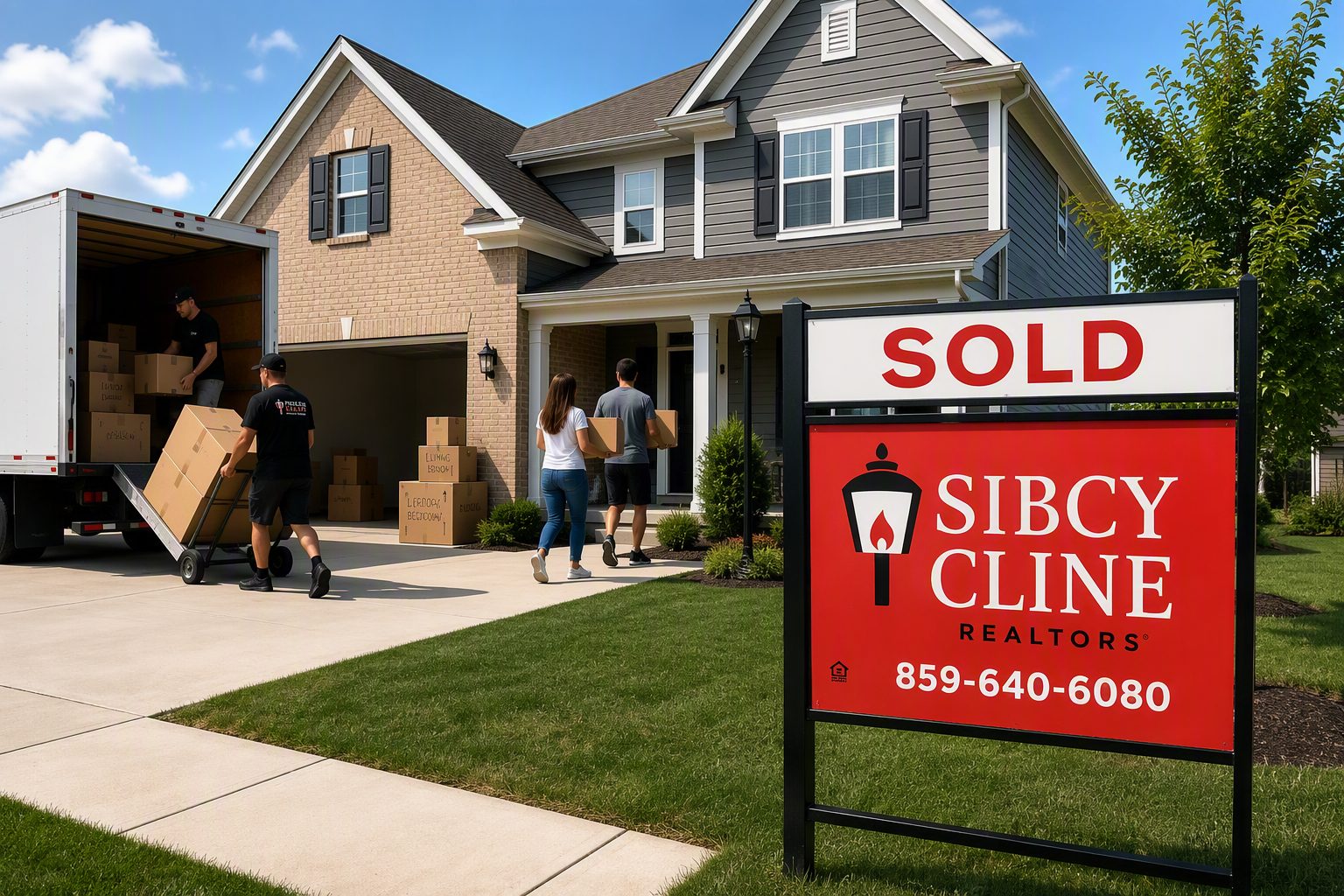
For renters throughout Northern Kentucky and the Cincinnati Tri-State area, buying can be both exciting and intimidating. A personalized conversation can turn broad questions into a practical plan, from choosing a price range to narrowing neighborhoods and preparing a competitive offer. When you are ready, the next step is not pressure to buy. It is simply getting clear on what a confident move forward looks like for you.
Reach out today. Your Home is My Purpose. Guiding You Like Family. Advising You Like a Professional. 859-640-6080


