Real Estate Tips July 13, 2026

Moving From Cincinnati to Kentucky Made Simple

A move across the Ohio River can look simple on a map, but moving from Cincinnati to Kentucky changes more than your mailing address. Your commute may follow a different bridge, your property taxes and local services may work differently, and the home styles available to you can change within just a few miles. For many buyers, the biggest surprise is how much choice Northern Kentucky offers.

Whether you are leaving a city apartment for a first home, searching for more room for a growing family, or planning a move that better fits your next chapter, a little local perspective can make the process feel far more manageable. The right Kentucky community is not necessarily the closest one to downtown Cincinnati. It is the one that fits the way you want to live every day.

Why Moving From Cincinnati to Kentucky Appeals to So Many Buyers

Northern Kentucky gives buyers access to the Cincinnati metro area while offering distinct communities, housing options, and price points. A short drive can take you from historic streets near the river to newer subdivisions, wooded lots, rural settings, and neighborhoods with established homes and mature trees.

For some buyers, the appeal is space. They may find a larger yard, an extra bedroom, or a more flexible layout for a home office without moving far from work, family, or favorite Cincinnati destinations. Others want walkability and character, especially in river cities such as Covington, Newport, Bellevue, and Dayton. These communities offer their own downtown energy, restaurants, parks, and access to Cincinnati’s urban core.

The move is not always about finding a less expensive house. Prices vary significantly by neighborhood, condition, school district, lot size, and proximity to major commuter routes. A move-up buyer comparing a renovated home in Fort Thomas with a newer home in Union, for example, is comparing two very different lifestyles as well as two properties. The goal is to understand what matters most before falling in love with a particular listing.

Start With Your Daily Routine, Not Just the Home

A home may check every box on paper, but the neighborhood needs to work on an ordinary Tuesday morning. Before narrowing your search, think through where you work, where children attend school or need care, how often you visit family, and what you enjoy doing on weekends.

Commuting is a good example. Northern Kentucky is closely connected to Cincinnati, but bridge traffic, construction, weather, and the time of day can affect a drive more than the mileage suggests. A buyer working downtown may be comfortable with a quick river crossing, while someone who regularly travels to Blue Ash, Mason, or the airport may prefer a different route and community.

It helps to drive your likely commute during the hours you would actually use it. Take note of bridge options, parking needs, highway access, and the places you visit most. A neighborhood that feels convenient on a Sunday afternoon can feel very different at 7:30 on a weekday morning.

Lifestyle details matter, too. If walkability is a priority, look closely at the river cities and established neighborhoods near local business districts. If you want a newer home, a larger lot, or easy access to shopping and interstates, communities such as Florence, Erlanger, Independence, Union, and Alexandria may offer more appropriate options. There is no one best place to live in Northern Kentucky. There is only the place that fits your priorities and budget.

Understand the Financial Differences Before You Make an Offer

Crossing state lines can bring financial questions that deserve attention early. Kentucky and Ohio have a reciprocity agreement for wages, which can simplify state income tax withholding for many people who live in one state and work in the other. Still, individual circumstances vary, and local city taxes, self-employment income, bonuses, and household income can add complexity. A qualified tax professional can explain how a move affects your specific situation.

Property taxes should also be part of the conversation. Tax bills are based on assessed value and local taxing districts, so they can differ from one address to another, even within the same city. When comparing homes, look beyond the list price. Review estimated annual taxes, homeowners insurance, HOA dues when applicable, utility costs, and likely maintenance needs.

A lower purchase price does not automatically mean lower monthly costs, and a higher-priced home may still be a better fit if it reduces repair needs or provides the location your family values. Your lender can help you compare estimated monthly payments, while your real estate agent can help you look at the full ownership picture rather than one number in isolation.

For homeowners selling in Cincinnati and buying in Kentucky, timing is especially important. You may need sale proceeds for your down payment, or you may prefer the certainty of selling before you begin making offers. Both approaches can work. The best plan depends on your equity, financing, risk tolerance, and how quickly you need to move.

Look Closely at Neighborhood Services and Schools

Families often start their search with school districts, and that is understandable. But a school search should include more than ratings or reputation alone. District boundaries, transportation options, enrollment requirements, preschool availability, and extracurricular opportunities are all worth exploring directly with the school district.

Even buyers without school-aged children benefit from understanding local services. Ask about trash collection, snow removal, recreation programs, library access, public safety services, and park systems. These details shape day-to-day life and can influence how a neighborhood feels over time.

Northern Kentucky communities can also differ in their housing stock. Near the river, you may find older homes with unique architecture, smaller lots, and renovation opportunities. Farther south, newer construction and planned subdivisions may be more common. Neither option is automatically better. Older homes can offer character and established locations, while newer homes may bring modern layouts and fewer immediate updates. A careful inspection and realistic repair budget are essential in either case.

Be Ready for Kentucky-Specific Property Questions

As you tour homes, pay attention to features that may be less familiar if you have lived in a dense Cincinnati neighborhood. Some properties rely on septic systems rather than public sewer. Others have private roads, shared driveways, easements, well water, HOA rules, or flood-related insurance considerations. These are not necessarily red flags, but they should be understood before you are under contract.

A strong offer is about more than price. It should account for inspection protections, financing, appraisal, your desired closing date, and any need to sell your current home. In a competitive situation, knowing your priorities in advance helps you move decisively without giving up protections that matter.

This is where local guidance is valuable. An agent who works throughout Northern Kentucky can help you recognize whether a property is fairly priced for its location and condition, identify practical questions to ask, and avoid being caught off guard after inspections begin. At Sibcy Cline Realtors, I focus on helping clients make informed decisions, not simply getting them to the next step quickly.

A Simple Plan for a Cross-River Move

Before you start touring every available property, get a few essentials in place:

  • Clarify your comfortable monthly payment and speak with a lender about financing options.
  • Choose your top priorities, such as commute time, home size, neighborhood feel, or school preferences.
  • Research a few communities in person at different times of day.
  • If you need to sell first, request a realistic home value and discuss a timeline that protects your next purchase.

These steps do not take the emotion out of moving. They simply give you a clearer framework when the right home appears. The most successful moves usually happen when buyers know what they can compromise on and what truly is not negotiable.

A move to Northern Kentucky can keep you close to the people and places you love in Cincinnati while opening the door to a home and community that better support what comes next. Take the time to explore beyond the bridge, ask direct questions, and let your real-life priorities lead the search. The right home should make your daily life feel easier, not just look good on closing day.

Reach out today.  Your Home is My Purpose.  Guiding You Like Family. Advising You Like a Professional. 859-640-6080

Uncategorized July 12, 2026

Best Neighborhoods in Northern Kentucky for You

A five-minute difference in a morning commute can change the way a home feels over time. So can being able to walk to coffee, having room for a garden, or living close to the airport without feeling like you are in the middle of the activity. The best neighborhoods in Northern Kentucky are not one-size-fits-all. The right choice depends on how you want your days to work, what you value in a home, and where you need to be most often.

Northern Kentucky offers a remarkable range of options within a short drive of downtown Cincinnati. You can find historic homes with front porches, newer subdivisions with more space, river-city energy, and quieter communities that feel removed from the city while staying connected to it. Here are several areas buyers regularly consider and what makes each one worth a closer look.

Best Neighborhoods in Northern Kentucky by Lifestyle

Covington: Historic character and city access

Covington is often a strong fit for buyers who want an established, walkable setting near downtown Cincinnati. Its neighborhoods offer an appealing mix of historic architecture, renovated townhomes, condos, and newer infill homes. Areas near MainStrasse Village, the riverfront, and downtown Covington put restaurants, local businesses, parks, and entertainment within easy reach.

The trade-off is that home styles, lot sizes, parking, and renovation needs can vary block by block. A beautifully restored historic home may come with older systems or more maintenance than a newer property. For buyers who value character and proximity to city amenities, however, Covington can offer a lifestyle that is hard to replicate in a conventional subdivision.

Newport and Bellevue: River-city energy with a neighborhood feel

Newport and Bellevue appeal to buyers who want to be close to the river, downtown Cincinnati, and a growing collection of shops and restaurants. Newport has a lively mix of older homes, apartments, townhomes, and river-adjacent options. Bellevue, just to the east, is known for its charming streetscapes, distinctive older homes, and a more intimate small-town atmosphere.

These communities can be especially appealing for people relocating from more urban areas or for buyers who want a shorter commute across the river. Inventory may be competitive when a well-maintained home comes to market, particularly in locations with off-street parking, updated kitchens and baths, or outdoor space. It is helpful to visit at different times of day, since traffic patterns, street activity, and parking availability are part of the daily experience.

Fort Thomas: Established homes and a close-knit setting

Fort Thomas is one of the most recognized communities in Northern Kentucky, valued for its established residential streets, mature trees, and strong sense of place. Buyers often find traditional homes, from older two-story properties to mid-century residences, updated homes with more modern finishes, even luxury condos, allowing for the small-town feel with less maintenance.

Its location is convenient for commuting to Cincinnati and other parts of Northern Kentucky, while the community itself feels distinctly residential. Homes here can command a premium depending on condition, size, and location. Buyers should be prepared to weigh whether they prefer a move-in-ready property or a home with potential that they can update over time. Before making a decision, confirm school-district assignments directly with the appropriate district, as boundaries and enrollment information can change.

Fort Mitchell and Edgewood: Convenience without giving up space

For buyers looking for practical access to major roads, shopping, and everyday services, Fort Mitchell and Edgewood are worth a close look. These areas offer a range of housing, including established brick homes, ranch-style properties, split-levels, and newer construction in select locations.

Fort Mitchell is especially convenient for people who need quick access to Interstate 75 or downtown Cincinnati. Edgewood tends to appeal to buyers who want a more residential feel while remaining close to restaurants, medical services, and retail. Neither community is just one type of housing market, so it pays to compare the specific street, home condition, and commute rather than making a decision based on the city name alone.

Villa Hills: Quiet streets and larger-lot appeal

Villa Hills is a popular choice for buyers seeking a quieter setting with more space between homes. Tree-lined streets, established neighborhoods, and a variety of traditional home styles give the area a comfortable, long-term feel. It is also convenient to the airport, major highways, and many daily amenities.

The housing stock includes a mix of older homes with character and properties that have been updated over the years. Some buyers are drawn to the larger lots and peaceful setting, while others may find that the drive to downtown Cincinnati is longer than they prefer. This is a good example of why a neighborhood tour should include the actual commute you expect to make, not just a map estimate.

Union: Newer homes and room to grow

Union has become a major destination for buyers looking for newer construction, larger homes, and neighborhoods designed around modern living. Many homes offer open floor plans, attached garages, finished basements, and newer mechanical systems. For move-up buyers, Union can provide more square footage and outdoor space than communities closer to the river.

Growth is part of the appeal, but it also means buyers should pay attention to development around a property. A wooded view today may not remain unchanged if nearby land is planned for future construction. Ask about homeowners association rules, lot lines, future phases, and property-tax considerations before writing an offer. These details can matter just as much as the floor plan.

Independence: A balance of value and accessibility

Independence offers a broad selection of homes and often gives buyers the chance to stretch their budget compared with some communities closer to Cincinnati. You will find established neighborhoods, newer subdivisions, townhomes, and properties with more land in the surrounding area.

It can be a practical fit for first-time buyers, buyers seeking a little more space, and anyone who wants access to Northern Kentucky employment centers without choosing a more urban location. Commute times can vary depending on where you work and which route you use, so consider driving the trip during the hours that matter most to you. A home that checks every box can feel less ideal if the daily drive does not fit your routine.

How to Narrow Down Your Northern Kentucky Search

A neighborhood search works best when you start with priorities, not just a list of city names. Think through your preferred commute, desired home style, maintenance tolerance, budget range, and the way you spend weekends. Someone who wants restaurants and a walkable streetscape may be happier in Covington, Newport, or Bellevue. Someone focused on a newer home and more square footage may find a better match in Union or Independence. Buyers who want established homes and a quieter residential rhythm may prefer Fort Thomas, Villa Hills, Edgewood, or Fort Mitchell.

It is also wise to look beyond the home itself. Check the age and condition of major systems, ask about property taxes and homeowners association fees when applicable, and review flood-zone information for properties near the river or streams. Tour the street in daylight and after work. Notice traffic, parking, noise, nearby construction, and how the property feels when you are not focused on the listing photos.

Finding the Right Fit, Not Just the Right Address

The best neighborhood is the one that supports the life you are building now while leaving room for what may change next. A first home, a growing household, a simpler next chapter, or an investment purchase each calls for a different conversation.

If you are considering a move in Northern Kentucky, a personalized neighborhood discussion can help turn a wide search into a clear plan. With local perspective, honest comparisons, and attention to the details that affect day-to-day living, the right home can feel like a confident next step rather than a compromise.

Reach out today.  Your Home is My Purpose.  Guiding You Like Family. Advising You Like a Professional. 859-640-6080

Uncategorized July 11, 2026

First Time Home Buyer Steps in Northern Kentucky

A listing notification can make a first home feel suddenly within reach. Before you picture furniture in the living room, though, the most useful first time home buyer steps happen behind the scenes: understanding your budget, preparing your financing, and deciding what will truly fit your life in Northern Kentucky.

Buying a home is exciting, but it is also a financial and personal decision with a lot of moving parts. A clear process helps you move quickly when the right property appears without feeling pressured to make a choice you will regret later.

First Time Buyers

First Time Home Buyer Steps Before You Start Touring

The first step is to look at your full monthly financial picture, not just the price you hope to pay for a house. Consider your income, existing monthly payments, savings, and the amount you want to keep available after closing. A home payment usually includes principal and interest, plus property taxes and homeowners insurance. Depending on the property and loan, it may also include mortgage insurance or homeowners association dues.

It is tempting to focus only on the maximum amount a lender may approve. That number is a starting point, not necessarily a comfortable spending target. Think about the lifestyle you want after moving in. If the payment leaves no room for repairs, travel, child care, retirement savings, or the occasional dinner out, a lower price range may bring more peace of mind.

Next, review your credit and avoid making major financial changes while preparing to buy. Opening new credit accounts, financing a car, changing jobs, or moving large unexplained deposits between accounts can affect your loan approval. If something in your finances needs attention, it is better to learn that early and make a plan than to discover it after you have found a home.

Build a realistic cash-to-close plan

Your down payment is only one part of the cash needed to buy. Buyers should also plan for earnest money, inspections, an appraisal, lender costs, title-related costs, prepaid insurance and taxes, and moving expenses. The exact numbers vary by loan type, property, and negotiated contract terms.

A larger down payment can lower your monthly payment and may eliminate private mortgage insurance, but putting every available dollar into the down payment is not always the best choice. First-time buyers often need a reserve for immediate repairs, paint, appliances, or simply the unexpected. The right balance depends on your financial situation and the condition of the home.

Get Preapproved Before You Fall in Love With a House

A preapproval gives you a clearer idea of what you can borrow and shows sellers that your offer is backed by a lender review. This is more meaningful than a quick online estimate because the lender evaluates documentation such as income, assets, debts, and credit.

Talk with a reputable lender about the loan programs available to you. Conventional, FHA, VA, and USDA loans can have different down payment requirements, property standards, costs, and qualification rules. A program that looks attractive because of a smaller down payment may have other trade-offs, while a conventional loan may be a strong fit for buyers with certain credit and savings profiles. Ask the lender to explain the monthly payment and upfront costs for more than one scenario.

Preapproval also makes your home search more focused. Instead of spending weekends looking at homes that stretch your comfort zone, you can concentrate on properties that make sense for your goals. In a competitive situation, having that letter ready can save valuable time.

Choose the Right Northern Kentucky Location for Your Routine

Square footage matters, but location shapes daily life. A home in Covington, Fort Thomas, Florence, Independence, Erlanger, Newport, or another Northern Kentucky community can offer a very different commute, lot size, neighborhood feel, and price point. The best area is rarely the one that checks the most boxes on paper. It is the one that supports how you actually live.

Start with your non-negotiables. You may need a certain commute time, bedroom count, accessibility feature, school preference, or proximity to family. Then separate those needs from preferences, such as a finished basement, renovated kitchen, fenced yard, or walkable commercial district. That distinction becomes especially helpful when inventory is limited.

Visit promising areas at different times of day if you can. Notice traffic patterns, parking, noise, hills, nearby construction, and the route to the places you visit most. In the Cincinnati Tri-State area, a few miles can change a commute substantially depending on bridges, highways, and rush-hour patterns.

local real estate agent can help put individual listings in context, including recent nearby sales, typical property features, and practical differences between communities. The goal is not to rush you toward a particular neighborhood. It is to help you understand the choices well enough to recognize the right fit.

Tour Homes With a Clear Eye

Once you begin touring, it is easy to be swayed by fresh paint, staged rooms, or a great view. Enjoy the experience, but look beyond the cosmetic details. Pay attention to the roof, windows, HVAC age, drainage, electrical panel, signs of moisture, and the general condition of major systems. A house does not need to be perfect, especially for a first purchase, but you should understand what ownership may require.

Try to compare homes using the same priorities each time. Does the layout work? Is there enough storage? How does the property condition compare with the asking price? Could a needed improvement wait, or would it need to happen soon after closing? Taking notes after each showing makes the decision less emotional and more grounded.

It is also helpful to remember that the right first home may not be your forever home. A smaller home in a location you love, or a property with cosmetic projects but solid fundamentals, can be a smart stepping stone. The trade-off should be intentional, not something you discover after closing.

Make an Offer That Protects Your Interests

When you find a home you want, the offer is about more than the sale price. It can address earnest money, requested closing date, financing terms, inspections, appraisal, seller-paid costs, included personal property, and other details that matter to both sides.

Your agent should review comparable recent sales and the property’s condition before advising on an offer strategy. In a fast-moving market, the strongest offer is not always simply the highest one. Clean terms, flexibility around timing, and a well-prepared buyer can matter to a seller. At the same time, avoiding every contingency just to compete can create unnecessary risk. The right approach depends on the property, your financing, and your comfort level.

In Kentucky, the purchase contract is a serious legal document. Read it carefully, ask questions about anything you do not understand, and make sure your deadlines are clear. Once accepted, the contract sets the path for the next stage of the transaction.

Inspections, Appraisal, and Loan Approval

The inspection period is your opportunity to learn more about the home from a qualified inspector. An inspection is not a pass-or-fail test, and nearly every home will have findings. The key is understanding the difference between routine maintenance, future planning items, and issues that may be expensive or affect safety.

Based on the results, you may choose to move forward as written, request repairs or credits, renegotiate if allowed by the contract, or, in some situations, end the agreement within the inspection contingency period. A trusted agent can help you keep the request reasonable and focused on material concerns rather than minor cosmetic items.

Your lender will also order an appraisal to evaluate the property’s value for lending purposes. If the appraisal comes in lower than the contract price, there may be options, such as renegotiating the price, changing loan terms, challenging factual errors in the report, or bringing additional funds if that makes sense for you. There is no one correct answer. It depends on your budget, the home’s value to you, and the available contract protections.

During this period, respond promptly to lender requests and keep your finances steady. Avoid new purchases on credit and do not make large account transfers without discussing them with your loan officer. Small delays in documentation can create stress close to closing day.

Prepare for Closing and the First Week of Ownership

Before closing, you will receive final loan and closing documents to review. Compare the final figures with earlier estimates and ask about any charges you do not recognize. You will also complete a final walkthrough shortly before closing to confirm the home is in the agreed-upon condition and that any negotiated repairs or included items are addressed.

Closing day is when ownership officially changes hands, but it is not the finish line for good planning. Set aside your inspection report, warranties, manuals, closing paperwork, and contact information for service providers. Change the locks, locate shutoff valves, test smoke detectors, and create a realistic list of projects for the first few months. Not every improvement has to happen immediately.

Your first home should feel like a foundation for what comes next, not a financial burden you have to manage alone. With thoughtful preparation, honest guidance, and a team that knows Northern Kentucky, you can make decisions with confidence and enjoy the moment you get the keys.

Reach out today.  Your Home is My Purpose.  Guiding You Like Family. Advising You Like a Professional. 859-640-6080
Uncategorized July 10, 2026

What Is My Home Worth in Northern Kentucky?

You can type your address into almost any real estate website and get a number in seconds. The problem is that if you’re asking, what is my home worth, you’re usually not just looking for a number. You’re trying to make a real decision: whether to sell, refinance, buy first, move quickly, or wait for the right time.

That is why home value is rarely as simple as an online estimate makes it seem. In Northern Kentucky and the Cincinnati Tri-State area, pricing depends on local demand, neighborhood trends, condition, timing, and how your home compares to recent sales buyers actually care about.

What Is My Home Worth? Start With the Right Question

A better question is often: what is my home worth in today’s market, for my location, in my home’s current condition? That extra context matters.

A home does not have one fixed value that stays the same all year. It has a likely market value based on what a qualified buyer would reasonably pay under current conditions. That number can shift depending on inventory levels, interest rates, school districts, updates, lot size, and even how many similar homes are available nearby.

If you’re thinking about selling, the number that matters most is not what you hope the home is worth or what an algorithm says. It is what the market is likely to support now.

Why Online Estimates Can Be So Different

Online valuation tools can be helpful as a starting point, but they are exactly that, a starting point. They pull from public records, past sales, and broad market data, then use formulas to estimate value. Sometimes they land close. Sometimes they miss by tens of thousands of dollars.

The biggest issue is that an automated tool cannot walk through your home. It cannot tell whether your kitchen was fully remodeled or simply photographed well five years ago. It does not know if your backyard backs up to woods, a busy road, or a neighboring subdivision. It may not account for a finished basement, deferred maintenance, or the difference between two streets that look similar on a map but perform very differently with buyers.

That is especially true in neighborhoods where homes vary in age, layout, or lot characteristics. In many Northern Kentucky communities, one subdivision can contain a wide spread of values based on updates and location alone.

What Actually Determines Home Value

Home value comes from a mix of measurable facts and market behavior. Square footage, bedroom count, bathroom count, lot size, age, and recent renovations all play a role. So do factors that feel less tidy on paper, such as curb appeal, natural light, floor plan, and overall maintenance.

Location still carries enormous weight. A home in Fort Thomas may attract attention for different reasons than a home in Union, Independence, or Florence. Commute patterns, school preferences, nearby amenities, and neighborhood reputation all shape buyer demand.

Condition matters more than many sellers expect. Two homes with the same floor plan can sell at very different prices if one feels move-in ready and the other needs paint, flooring, or a roof. Buyers calculate repair costs quickly, and they usually discount for inconvenience too.

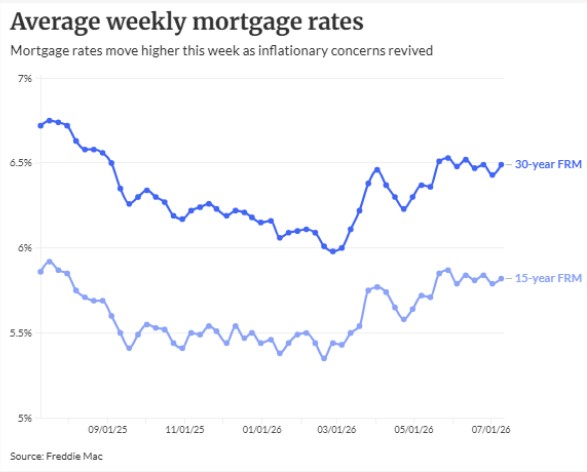
Timing matters as well. Seasonal demand, mortgage rates, and the amount of competing inventory can all affect what buyers are willing to pay. A home that would have drawn multiple strong offers in one month may need a different strategy in another.

Comparable Sales Matter More Than Wishful Thinking

When homeowners ask what is my home worth, the most reliable answer usually comes from comparable sales, often called comps. These are recently sold homes that are similar in size, style, location, and condition.

The keyword is similar. A larger home across town or a renovated home in a more competitive school district may not be a meaningful comparison. Good comps should reflect what buyers considered realistic alternatives to your home.

This is where local knowledge makes a difference. The best pricing analysis is not just pulling three sold properties and averaging the numbers. It involves reading the details behind the sale. Was it updated? Did it sit for weeks before a price drop? Did it receive multiple offers? Was the seller covering repairs or closing costs? Those details help explain the final number.

Active Listings Matter Too – But in a Different Way

Sold homes tell you what buyers were willing to pay. Active listings tell you what you are up against.

If similar homes are currently listed nearby, buyers will compare your property to those options in real time. That means your pricing should make sense not only against past sales, but also against today’s competition. A home can be priced in line with older comps and still miss the mark if newer listings offer more updates or better presentation.

This is one reason pricing is part data and part strategy. The goal is not to simply name a number. The goal is to position your home so buyers see value and act.

Improvements Add Value – But Not Always Dollar for Dollar

Many homeowners assume every improvement fully increases resale value. Sometimes it helps a lot. Sometimes it helps mainly by making the home easier to sell.

Kitchen and bathroom updates, newer mechanicals, windows, roofing, flooring, and exterior improvements can all strengthen value. But buyers do not always pay back the full cost of a renovation. A very personalized or high-end project may appeal to you more than to the average buyer.

There is also a difference between adding value and protecting value. Replacing an aging HVAC system may not create a dramatic jump in asking price, but it can prevent buyers from lowering their offers. Fresh paint, decluttering, and minor repairs often produce strong returns because they improve the home’s overall impression without requiring major spending.

Your Home’s Value Is Not the Same as Your Net Proceeds

This is one of the most common points of confusion. Market value is the likely sale price range. Net proceeds are what you may walk away with after expenses.

If you are planning your next move, you need to think beyond the top-line number. Mortgage payoff, closing costs, possible repairs, staging, and moving expenses all affect what selling means financially. If you are buying and selling at the same time, that number matters even more because it helps shape your budget and timeline.

A realistic valuation gives you better answers than an optimistic guess. It can help you decide whether now is the right time, whether updates are worth doing first, and what kind of purchase may be possible afterward.

When a Home Valuation Is Most Useful

You do not have to be ready to list next week for a valuation to matter. It can be helpful if you are considering a move in the next six to twelve months, thinking about downsizing, relocating from Cincinnati to Northern Kentucky, or trying to understand how much equity you have built.

It is also useful when families are making bigger life decisions. Maybe you need more space, less maintenance, a different school district, or a shorter commute. Knowing your home’s likely value helps turn vague plans into real options.

How to Get the Most Accurate Answer

If you want the clearest answer to what is my home worth, the best path is a personalized market analysis. That means looking at recent comparable sales, current competition, neighborhood trends, and your home’s actual condition.

A strong valuation should include honest feedback, not just a flattering number. Overpricing can create more stress, not less. Homes that start too high often sit longer, invite fewer serious buyers, and may ultimately sell for less than they would have with better pricing from the start.

On the other hand, pricing too low without a clear strategy can leave money on the table. The right approach depends on your goals, timeline, and how your home fits the current market.

That is where working with a local agent can make the process feel much more manageable. A professional who knows Northern Kentucky can help interpret the data, explain the trade-offs, and give you a realistic value range instead of a generic estimate. At Sibcy Cline Realtors, that local perspective is a big part of helping clients make confident decisions.

What Is My Home Worth if I Am Not Ready to Sell Yet?

Even if a move is still down the road, there is value in knowing where you stand now. It gives you a baseline. You can start planning repairs, watching neighborhood trends, and thinking through the logistics of your next step before everything feels urgent.

It also helps you separate curiosity from strategy. Sometimes homeowners ask about value because they are casually wondering. Other times, they are already feeling the pull of a life change and just need clearer information to move forward.

A good home valuation should never feel pushy. It should give you useful insight, answer your questions, and leave you better prepared whether you decide to sell soon or simply keep planning.

Your home is more than an address and a square-footage number, and the right valuation should reflect that. If you’re asking what my home is worth, you’re probably really asking what my next move can look like – and that’s a conversation worth having with clarity.

Reach out today.  Your Home is My Purpose.  Guiding You Like Family. Advising You Like a Professional. 859-640-6080

Real Estate Tips July 9, 2026

How to Prepare Your House to Sell

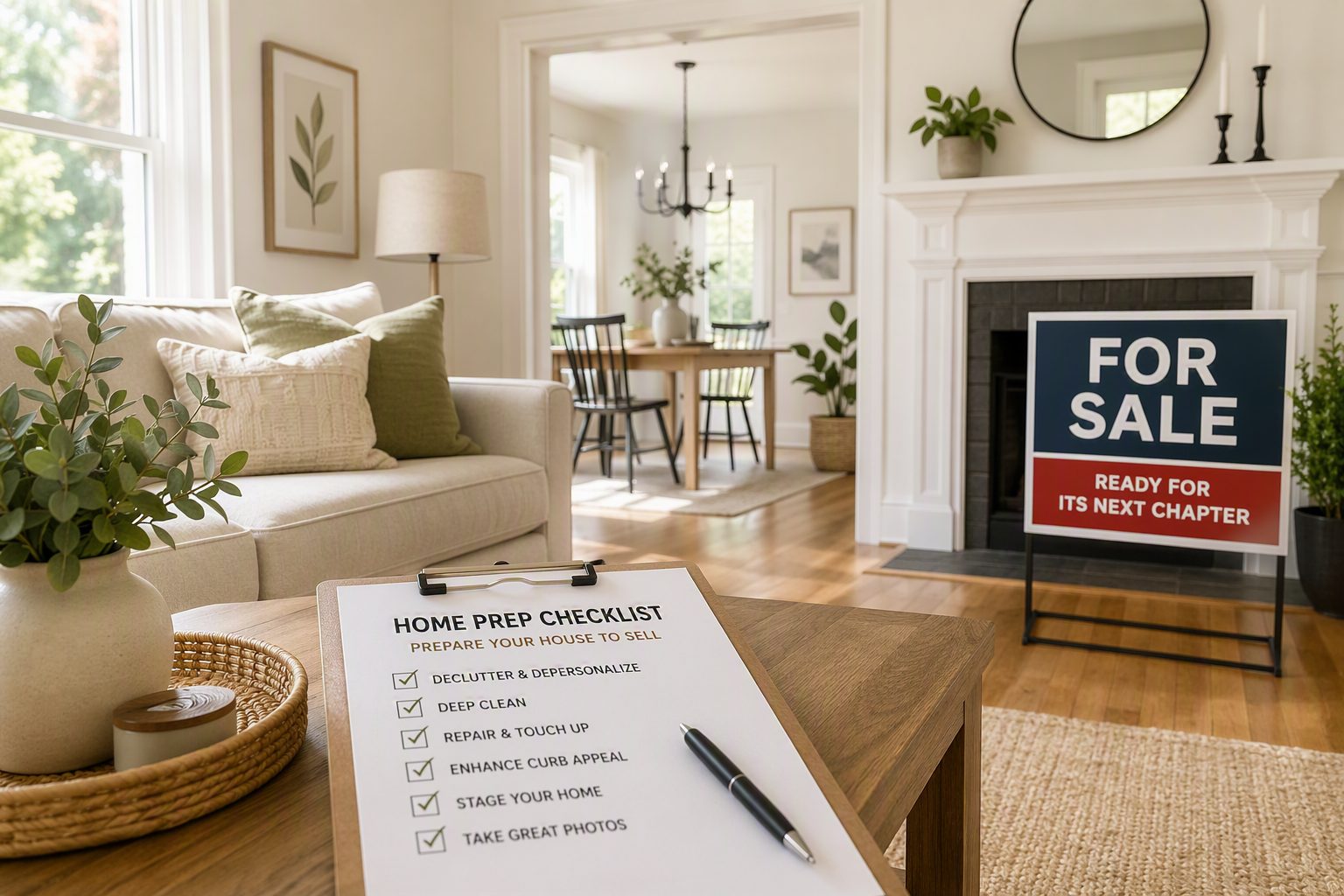
The first few minutes of a showing matter more than most sellers expect. Buyers are forming opinions before they reach the front door, and once they step inside, they are quietly asking themselves one question: can I see my life here? If you want to prepare your house to sell, the goal is not to make it look perfect. The goal is to make it feel clean, cared for, and easy to picture as someone else’s next home.

That distinction matters. Many homeowners assume getting ready to sell means taking on expensive renovations or trying to copy a magazine-worthy look. In reality, the smartest preparation is usually more practical than flashy. A well-prepared home tends to photograph better, show better, and create fewer objections once buyers start comparing options.

What buyers notice first when you prepare your house to sell

Buyers usually do not walk through a home like inspectors on their first pass. They react emotionally first, then logically. That means obvious clutter, strong odors, poor lighting, scuffed walls, and deferred maintenance can shape their opinion before they ever think about square footage or lot size.

This is why preparation should start with the basics. Cleanliness, condition, and presentation carry a lot of weight. A buyer may forgive outdated finishes more easily than they forgive a house that feels neglected. Even in a competitive market, the homes that stand out tend to be the ones that feel move-in ready, or at least well maintained.

In Northern Kentucky and the Cincinnati Tri-State area, buyers are often balancing work, school schedules, and the logistics of a move. Many are not looking for extra projects right away. The easier your home feels to take on, the broader your buyer pool may be.

Start with repairs before cosmetic updates

When sellers have a limited budget, I usually suggest handling the small issues that signal neglect before spending money on trend-based upgrades. A dripping faucet, loose doorknob, cracked outlet cover, squeaky door, torn screen, or missing trim piece may seem minor on its own. Together, those details can make buyers wonder what bigger maintenance items have been ignored.

Focus first on anything that affects function, safety, or first impressions. Patch drywall. Replace burned-out bulbs. Fix leaky plumbing. Make sure doors open and latch properly. If the HVAC has not been serviced in a while, that is worth addressing. If there are roof concerns, foundation cracks, or water stains, those need honest attention, not staging tricks.

Cosmetic updates can help, but they should be chosen carefully. Fresh neutral paint often gives a stronger return than replacing countertops just because they are not the latest style. New carpet may make sense if the existing flooring is badly worn or heavily stained, but full-scale remodeling is not always the best use of time or money before listing. It depends on your price point, neighborhood expectations, and how your home compares with nearby competition.

Decluttering is about space, not perfection

One of the most effective ways to prepare your house to sell is also one of the least glamorous: remove more than you think you need to. Buyers want to see space, storage, and flow. That is hard to do when countertops are crowded, closets are stuffed, and every wall is filled with furniture or decor.

Decluttering does not mean stripping your home of personality. It means editing. Kitchen counters should have only a few simple items. Bathroom counters should look open and clean. Closets should be organized enough to show usable storage rather than overflow. If a room has too much furniture, take some out. Homes often feel larger when there is less in them.

This step is especially important if you are still living in the home while it is on the market. Packing early is not just helpful for the eventual move. It is also part of preparing the house for buyers. Think of it as getting a head start on both showing well and making your next chapter easier.

Clean like buyers will look everywhere

A standard weekly cleaning is not the same as pre-listing cleaning. Before photos or showings, the house should be cleaned to a higher level of detail. Buyers notice baseboards, window tracks, ceiling fans, appliance fronts, shower grout, and fingerprints around doors and light switches.

If deep cleaning feels overwhelming, this is one area where hiring help can be worth it. Professional photos capture dust, smudges, and dull surfaces more clearly than people expect. Clean windows bring in more natural light. Polished floors and spotless kitchens suggest care. That sense of care builds buyer confidence.

Do not forget odor control. Sellers often become nose-blind to pet smells, cooking odors, or dampness. Avoid trying to cover them with heavy fragrances. Clean the source instead. Fresh air, clean fabrics, and neutral-smelling spaces usually work better than candles or sprays.

Curb appeal sets the tone

The outside of the home starts the showing before the showing begins. If buyers pull up and see overgrown landscaping, peeling paint, or a cluttered porch, they carry that impression inside.

Curb appeal does not have to be complicated. Mow the lawn, trim shrubs, edge the walkway, and remove dead plants. Sweep the porch. Clean the front door and add a fresh mat if needed. If your house numbers, mailbox, or exterior light fixture look worn, replacing them can give the entry a quick lift.

Season matters here. In spring and summer, simple flowers and mulch can help. In fall, keep leaves cleared and entryways tidy. In winter, make sure walkways are safe, and the home feels cared for despite the weather. Buyers understand the season, but they still respond to presentation.

Make each room clear and purposeful

Buyers should not have to guess how a room is meant to function. If a bedroom has become a storage room or a dining room is doubling as a home gym, it may be worth resetting those spaces before listing. Clear room identity helps buyers understand the home’s layout and potential.

You do not need professional staging in every case, but thoughtful arrangement matters. Pull furniture away from walls when it improves flow. Use lighting to brighten darker corners. Keep bedding simple and fresh. In living areas, create inviting conversation spaces rather than blocking pathways.

Personal items deserve special attention. Family photos, highly specific collections, and bold statement pieces can make it harder for buyers to picture themselves in the home. The house should still feel warm, just less tied to one household.

Pricing and preparation work together

Even the best preparation cannot completely overcome poor pricing. A beautifully cleaned and staged home that is overpriced may still sit longer than expected. On the other hand, a well-priced home in solid condition can attract stronger interest quickly.

That is why preparation should not happen in isolation. Before deciding what to fix, update, or leave alone, it helps to understand where your home is likely to fit in the current market. A local strategy matters because buyer expectations vary by neighborhood, price range, and inventory levels.

This is where working with an experienced local agent (http://www.sibcycline.com/kfreudenberg/) can save sellers from spending money in the wrong places. Sometimes the right move is a fresh coat of paint and a deep clean. Sometimes a few targeted updates can meaningfully improve value. Sometimes honesty about condition, paired with the right price, is the strongest strategy of all. If you are selling in Northern Kentucky, an agent with local market insight (http://www.sibcycline.com/kfreudenberg/listings/my-active-listings), like Sibcy Cline Realtors, can help you make those calls with more confidence.

Prepare for photos, showings, and real life

A house can be market-ready on paper and still be difficult to show if daily life is not part of the plan. This is especially true for families with children, pets, or busy work schedules. The goal is not perfection every minute of every day. The goal is to create a repeatable system that keeps the home ready with reasonable effort.

Laundry baskets, pet supplies, toys, and countertop paperwork should have quick put-away spots. Beds should be easy to make. Trash should go out regularly. If you know mornings are hectic, plan for evening showings when possible. If you have pets, think through where they will go during appointments.

The easier it is to keep the house consistently ready, the less stressful the listing period tends to feel. That matters because buyers often want to see homes on short notice, and flexibility can lead to more opportunities.

The best preparation is strategic, not excessive

Sellers sometimes worry that if they do not update everything, buyers will not respond. Most of the time, that is not true. Buyers are looking for value, condition, and a home that feels well cared for. They are not expecting every house to be brand new.

What they do notice is when a seller has been thoughtful. Clean spaces. Completed repairs. Good light. Simple staging. Strong photos. A realistic price. Those pieces work together.

If you are getting ready to sell, start earlier than you think you need to. Give yourself time to sort, repair, clean, and ask questions about what is really worth doing. A calm, well-prepared approach usually beats a rushed one. And when your home hits the market looking its best, you are not just listing a property – you are giving buyers a reason to feel at home the moment they walk in.

Reach out today.  Your Home is My Purpose.  Guiding You Like Family. Advising You Like a Professional.

Real Estate Tips July 8, 2026

How to Buy and Sell a House at the Same Time

  •  Learn how to buy and sell a house at the same time with smart timing, financing tips, and less stress for your Northern Kentucky move.

Trying to time two major transactions at once can feel like a high-stakes balancing act. If you’re wondering how to buy and sell a house at the same time, the good news is that it can be done successfully with the right plan, clear expectations, and a strategy built around your finances, timeline, and local market conditions.

For many homeowners in Northern Kentucky and the Cincinnati area, this situation arises during real-life transitions. Maybe your family needs more space, maybe you’re ready to downsize, or maybe a job change means relocating across the river. Whatever the reason, the challenge is usually the same: you need the equity from your current home, but you also need a place to live next.

  •  How to buy and sell a house at the same time without creating chaos

The first thing to know is that there is no one-size-fits-all approach. Some people should sell first. Others are better off buying first. The right path depends on your cash reserves, how much equity you have, how competitive the market is in the area where you’re buying, and how much risk you’re comfortable carrying for a short period of time.

Selling first is often the safer financial route. You know exactly how much your home sold for, how much equity you have available, and what price range makes sense for your next purchase. It also reduces the chance of carrying two mortgage payments at once. The trade-off is that you may need temporary housing if you can’t find your next home quickly.

Buying first gives you more control over where you’re going next. You can take your time finding the right home instead of feeling rushed. For families with kids, school timing and neighborhood fit can make this option especially appealing. The downside is that you may need to qualify for two homes at once, or you may need short-term financing until your current home sells.

This is where planning matters more than perfection. The goal usually is not making both closings happen at the same hour. The real goal is creating a path that protects your finances, limits disruption, and keeps you from making pressured decisions.

  • Start with your numbers, not the house search

Before you look at homes online or schedule listing photos, you need a clear picture of your financial position. That includes your mortgage payoff, estimated proceeds from your current home, available savings, likely down payment needs, and what a lender says you can comfortably afford.

A lot of stress comes from guessing. Homeowners often assume their current home will sell for a certain number, or they underestimate how much cash they’ll need between earnest money, inspections, moving costs, and closing expenses. Getting realistic numbers early helps you avoid chasing homes that don’t fit your actual situation.

This is also the time to talk with a lender about your options. Depending on your finances, you may be able to qualify for a new mortgage before your current home sells. If not, you may need to make your purchase contingent on the sale of your current home, or consider temporary financing solutions. Not every option is right for every household, and some come with more risk or cost than others, so this is very much an it depends conversation.

  • Decide whether to buy first or sell first

There are a few signs that selling first may be the better move. If most of your down payment is tied up in your current home, if carrying two payments would feel tight, or if you want more certainty before making an offer, selling first usually gives you the strongest footing.

Buying first may make sense if you have strong cash reserves, substantial equity, or flexibility from a lender. It can also help if you’re moving within a highly competitive area and need to act quickly when the right home becomes available.

In a fast-moving seller’s market, buyers who must sell first can feel like they’re always one step behind. In a more balanced market, selling first may be easier because you have more time to shop. That’s why local market knowledge matters. The best strategy in Northern Kentucky may look different from one neighborhood to the next.

  • Prepare your current home before it hits the market

If your goal is to move from one home to the next with as little overlap as possible, your current home needs to be ready to sell quickly and at a strong price. That means addressing deferred maintenance, decluttering, cleaning thoroughly, and making sure pricing is aligned with current market conditions.

This part is easy to underestimate. A home that lingers on the market can throw off your entire timeline. On the other hand, a well-prepared and properly priced listing can give you more leverage, more confidence, and better options for your next move.

It also helps to think ahead about your daily life once showings begin. If you’re buying and selling at the same time, you’ll already have enough on your plate. Having a plan for pets, kids’ schedules, and quick exits for showings can make this season feel much more manageable.

  •  Use the right contract strategy

There are several ways to structure the timing, and each one has pros and cons.

One common option is to sell your home first and negotiate a rent-back or post-closing occupancy agreement. That allows you to close, access your proceeds, and stay in the home for a short time while you finalize your purchase. Buyers do not always agree to this, but in some situations it can create valuable breathing room.

Another option is to make an offer on your next home that is contingent on the sale of your current home. This protects you financially, but it can weaken your offer in a competitive market. Sellers tend to prefer cleaner terms, especially if they have multiple offers.

Some homeowners use a bridge loan or other short-term financing to buy before selling. That can be helpful, but it is not free money. Costs, qualification standards, and timing all matter. This route makes the most sense when the financial upside and convenience clearly outweigh the added expense.

A flexible closing date can also make a big difference. Sometimes the smoothest move comes from negotiating timing, not from forcing a same-day closing.

  •  Build a realistic timeline

When people ask how to buy and sell a house at the same time, what they’re often really asking is how to line up the moving pieces without everything falling apart. The answer is a timeline that leaves room for real life.

Inspections can reveal repairs. Appraisals can come in lower than expected. Loan underwriting can take longer than anyone wants. A moving company may not have your ideal date available. If your plan only works when every detail goes perfectly, it’s not much of a plan.

A better approach is to map out the major milestones early: preparing the current home, listing date, expected showing window, offer review, purchase search, contract deadlines, financing steps, and moving logistics. Then build in a little cushion where you can. Even a few extra days between closings can dramatically reduce stress.

  • Expect a few trade-offs

Most simultaneous moves involve compromise somewhere. You might accept a slightly less convenient closing date to make a stronger purchase offer. You might move twice to avoid carrying two homes. You might decide that certainty matters more than squeezing every last dollar out of the sale.

That doesn’t mean you’re doing it wrong. It means you’re making decisions based on your priorities.

For one family, top priority might be staying within a certain school district. For another, it might be protecting monthly cash flow. For someone relocating to Kentucky, it may be minimizing the number of weekend trips back and forth. A good plan respects those priorities instead of forcing a generic formula.

  • Work with one coordinated strategy

Buying and selling at the same time is not just two separate transactions happening side by side. They affect each other at every stage, from pricing and timing to negotiations and possession dates. That’s why coordination matters so much.

When you have a strategy that connects both sides of the move, it becomes easier to weigh options clearly. Should you accept an offer with a faster closing? Should you wait for a stronger sale price? Is this the right home to pursue, or will the timing create too much pressure? These are not just transaction questions. They are quality-of-life questions too.

As a Sibcy Cline Realtors agent serving Northern Kentucky, I see how much calmer this process feels when clients have a clear plan from the start and someone helping them think a few steps ahead. The details matter, but so does having a trusted guide who can help you sort through the what-ifs before they turn into costly mistakes.

If you’re planning a move and trying to line up both sides at once, the best next step is not rushing into the market. It’s getting a plan in place that fits your timeline, your budget, and the kind of move you actually want to make.

Reach out today.  Your Home is My Purpose.  Guiding You Like Family. Advising You Like a Professional.